
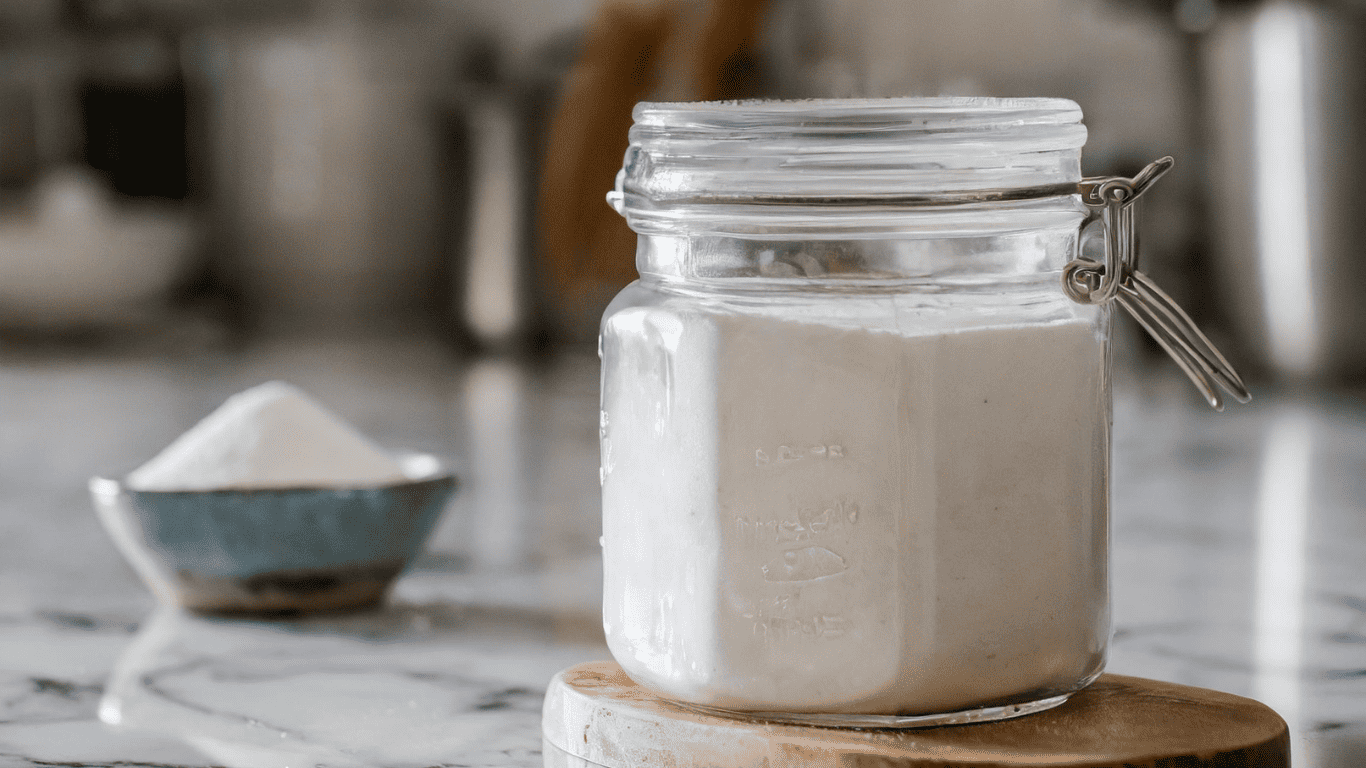
Here are 6 best baking soda substitutes that you likely already have in your pantry! Whether you’re out of baking soda or looking for alternative ingredients, these options will come to the rescue for your baking needs.

Learn about the ultimate baking soda swaps you can find right in your pantry! Whether it’s egg whites, self-rising flour, or even club soda, discover the go-to substitutes to rescue your baking adventures when you’re out of baking soda. And hey, ever heard of baker’s ammonia? I’ve got you covered with some fun and unexpected alternatives to keep your kitchen creativity going!
What is Baking Soda?
In baking, baking soda, also known as sodium bicarbonate, is a leavening agent used to help baked goods rise. It reacts with acidic ingredients like buttermilk, yogurt, lemon juice, or vinegar to produce carbon dioxide gas, which causes the batter or dough to expand and rise. This reaction creates a light and airy texture in cakes, cookies, muffins, and other baked treats.
What’s the difference between Baking Soda and Baking Powder?
What sets baking soda and baking powder apart? While both need a liquid to get to work, baking soda requires an additional acid component, whereas baking powder comes pre-packed with its own acidic ingredient. To know more about the difference, visit my detailed post about it – Baking Powder vs Baking Soda.
Is it okay to skip the baking soda?
Well, yes, but only in certain basic recipes like cookies and pancakes. However, be prepared for flatter cookies and pancakes that resemble crepes without the leavening agent.
What are the 6 best baking soda substitutes?
I’ve rounded up six alternatives for baking soda, but it’s essential to note that none of these options are a perfect substitute. However, they work well in a pinch.
Baking Powder

This works as a substitute in cakes, cookies, and other baked goods. Baking powder acts as a leavening agent, helping your treats rise and expand, but, be prepared for a slightly fluffier texture compared to baking soda.
To substitute, triple the amount of baking soda called for in the recipe and use that quantity of baking powder instead. For example, if the recipe calls for 1 teaspoon of baking soda, use 3 teaspoons or 1 tablespoon of baking powder. If the original recipe included both baking soda and powder, add the original amount of powder along with the substituted quantity for the soda.
Self-Rising Flour

This substitute can step in but only in recipes that already call for flour. Self-rising flour is pre-leavened with baking powder and salt, so it’s ready to go.
To substitute, replace the regular flour in your recipe with self-rising flour at a one-to-one ratio. Since self-rising flour already contains baking powder, calculate how much you’ve added. Check if the amount of baking powder in the self-rising flour is three times the amount of baking soda originally called for in your recipe. For example, if your recipe asks for 2 cups of flour and 1 teaspoon of baking soda, replacing it with 2 cups of self-rising flour means you’ve added 1 tablespoon of baking powder, which matches the substitution ratio.
Club Soda
When you’re looking to replace baking soda and the recipe includes at least ½ cup of liquid, consider using club soda as a substitute. However, it’s best avoided in recipes like chocolate chip cookies. Club soda works because it’s essentially carbonated water, providing the same lifting effect as baking soda.
To substitute, swap out 1/4 cup of club soda for an equal amount of the liquid called for in the recipe. Once added, mix quickly and get your baked goods into the oven promptly to take advantage of the carbonation’s lifting power.
Whipped Egg Whites

Using whipped egg whites can be a good option for simple baking recipes like cakes, cookies, or muffins. They provide lift and lightness similar to commercial leaveners.
To substitute, add two whipped egg whites for every 1 teaspoon of baking soda in the recipe. Measure the whites by weight or volume, and subtract that amount from the recipe’s liquid to avoid adding extra liquid. Whip the whites to stiff peaks and gently fold them into the batter toward the end of the mixing process. If a recipe calls for eggs but not a liquid ingredient, separate the eggs and whip the whites separately before folding them in.
Baker’s Ammonia
This substitute can be used when baking thin and crispy baked goods, like biscotti, or thin cookies and crackers. It’s not ideal when making cakey cookies or cakes or muffins or anything that has a high moisture content. It can have a strong ammonia smell that will evident with high moisture items, but bakes off with low-moisture ones.
To substitute baker’s ammonia for baking soda, add it to your recipe in a 1 to 1 ratio.
Potassium Bicarbonate
Potassium bicarbonate can replace baking soda in any baking recipe, providing the same leavening effect without salt. Substitute it in a 1-to-1 ratio, but remember to add extra salt—about ⅓ teaspoon per teaspoon of potassium bicarbonate.
WANT TO LEARN MORE?
- How To Properly Measure Baking Ingredients
- Kitchen Measurement Conversion Chart
- The Baking Chart That Helps You Convert Between Pan Sizes
- Baking Time And Temperatures For Different Pan Sizes
SHOP FOR KITCHEN BAKING PRODUCTS:
This post may contain affiliate links. Read our disclosure policy for more details.


Leave a Reply